

Program Jualan Rahmah dan Program Menu Rahmah: Adakah Adil untuk Semua?
Oleh: Dr. Siti ‘Aisyah Baharudin
Dalam dua dekad terakhir, dari tahun 2000 hingga 2019, inflasi makanan global telah mencapai kadar purata tahunan sekitar 2.8%. Mengikut laporan CNBC, Malaysia turut terjejas, dengan inflasi meroket sebanyak 3.2% pada Disember 2021 berbanding tahun sebelumnya. Penyebab utamanya adalah kerana kenaikan drastik harga makanan dan petrol. Situasi ini bukan sahaja berlaku di Malaysia, tetapi juga menjejaskan seluruh dunia.
Hal ini terjadi kerana faktor 4C – COVID-19 (dengan gangguan besar dalam rantai bekalan), Conflict (konflik Russia-Ukraine), Climate (perubahan iklim yang mengakibatkan kenaikan suhu), dan Currency (ketidakstabilan mata wang). Semua ini menyumbang kepada lonjakan harga makanan secara global.
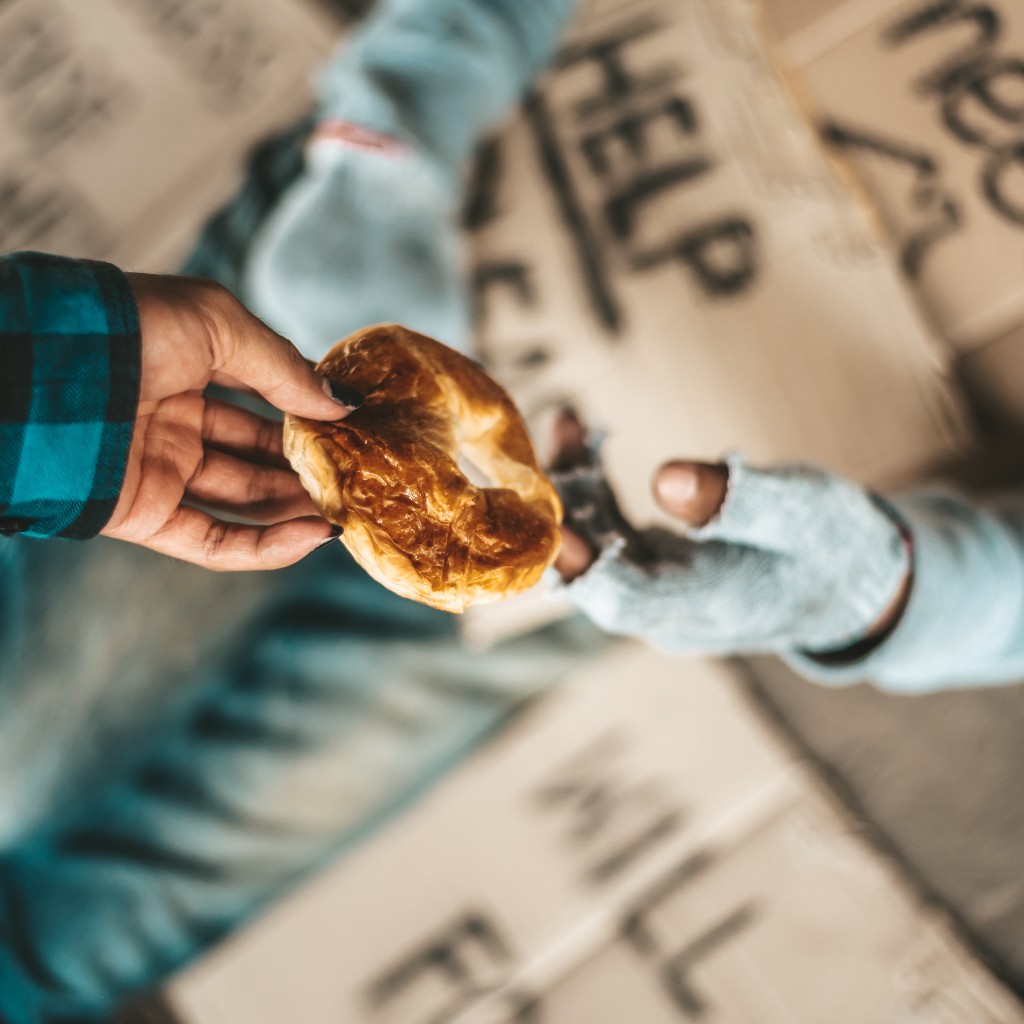
Namun, kesannya di Malaysia jauh lebih besar. Menurut Laporan Bank Negara Malaysia, apabila harga barangan makanan melonjak, tekanan kos hidup tidak setara ini memberi kesan kepada semua rakyat tanpa mengambil kira pendapatan atau pekerjaan mereka. Bagi keluarga berpendapatan rendah, impaknya terasa lebih hebat. Kuasa beli merudum dan makanan yang dulu dianggap biasa-biasa sahaja kini menjadi mewah.
Bagi menangani masalah ini, kerajaan Perpaduan telah memperkenalkan Inisiatif RAHMAH. Program Jualan Rahmah dan Program Menu Rahmah adalah sebahagian daripada usaha mereka. Harapannya, inisiatif-inisiatif ini dapat membantu mengurangkan beban rakyat yang berada dalam ketidakpastian ekonomi yang melanda.
Program Jualan Rahmah
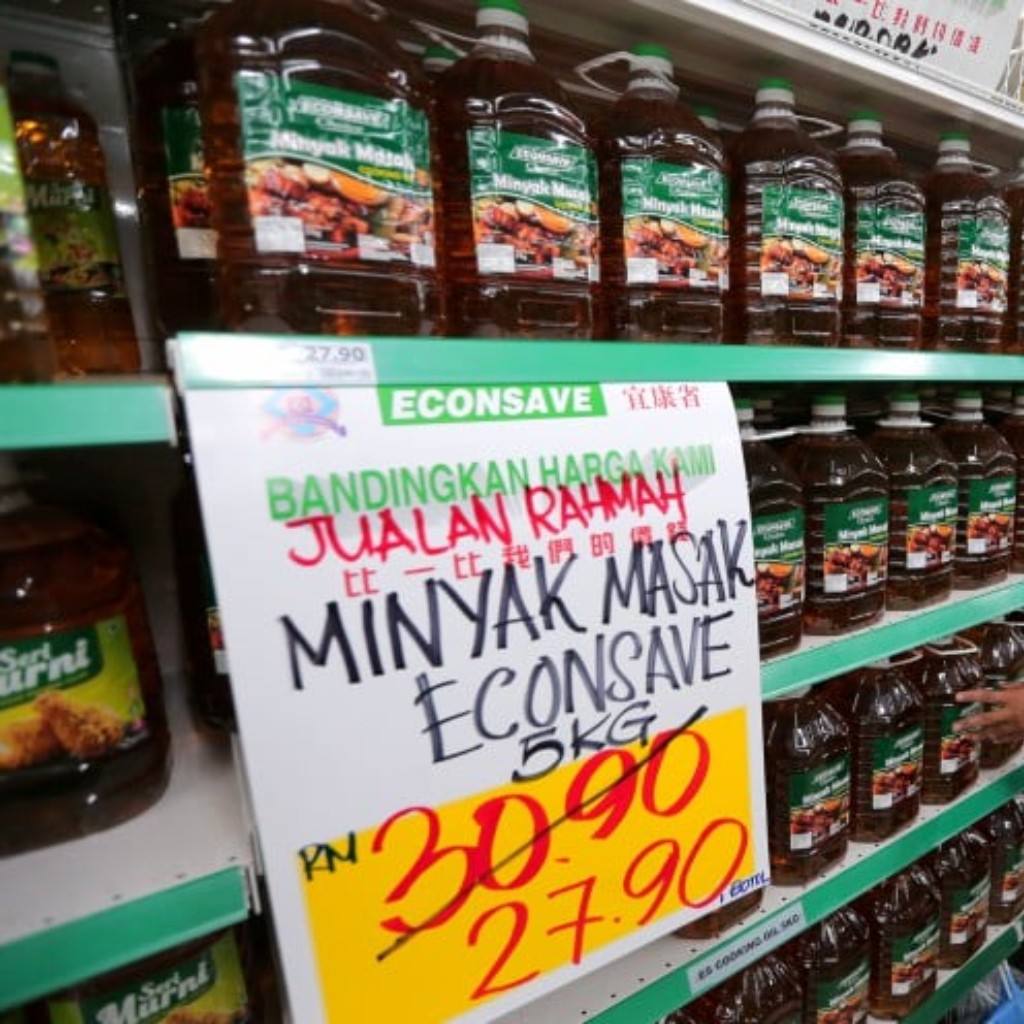
Pada Mac 2023, Parlimen Malaysia telah meluluskan dana sebanyak RM100 juta untuk melaksanakan Program Jualan Rahmah (PJR) yang dikendalikan oleh Kementerian Perdagangan Dalam Negeri dan Kos Sara Hidup (KPDN). Inisiatif ini melibatkan kerjasama dengan pemain industri sektor peruncitan seperti kedai dan pasaraya yang boleh ditemui di laman web KPDN.
Dibawah Inisiatif Payung RAHMAH, matlamat utama PJR adalah menyediakan barangan keperluan harian kepada rakyat dengan harga yang berpatutan. Selain memacu pertumbuhan ekonomi dalam sektor peruncitan tempatan, program ini juga bertujuan untuk meringankan beban kewangan rakyat dalam menanggung kos sara hidup.
Jualan Rahmah mengusung konsep jualan murah yang mencakupi sekurang-kurangnya 27 jenis barangan asas seperti produk basah dan kering, dijual dalam tempoh 2 hari berturut-turut di lokasi-lokasi bergerak. Di samping itu, penawaran barangan murah di pasaraya besar seperti Tesco dan Mydin tidak terhad kepada barangan asas sahaja; ia juga termasuk kombinasi promosi istimewa seperti pakej persediaan sekolah, merdeka, dan pelbagai sambutan perayaan sepanjang tahun di semua cawangan pasaraya tersebut. Program ini menawarkan potongan harga sekitar 10% hingga 30% bagi barangan keperluan harian berbanding dengan harga pasaran biasa.
Dengan konsep ‘Kedai Cari Rakyat’, program ini juga disasar untuk mengadakan jualan dua kali sebulan di setiap Dewan Undangan Negeri (DUN) di seluruh negeri. Ini bertujuan memastikan bahawa lebih ramai rakyat dapat menikmati manfaat daripada program PJR ini, menjadikannya lebih mudah dan lebih berpatutan untuk membeli barangan keperluan harian.
Program Menu Rahmah
Pada 31 Januari 2023, KPDN telah melancarkan Program Menu Rahmah (PMR) dengan kerjasama daripada rakan strategik, termasuk Pengusaha Kedai Makanan (Bermasak) dan Persatuan Pengusaha Restoran dan Gerai Makanan. Inisiatif ini adalah usaha sukarela mereka untuk memberi manfaat kepada masyarakat.
Tujuan utama PMR adalah menyediakan pilihan makanan tengah hari atau makan malam yang seimbang. Selain daripada meningkatkan hasil jualan para pengusaha makanan, program ini juga bertujuan untuk membantu mengurangkan beban kos sara hidup masyarakat. Dengan menyediakan hidangan lengkap pada harga yang berpatutan, PMR membolehkan rakyat menikmati makanan seimbang tanpa perlu membebankan bajet mereka.
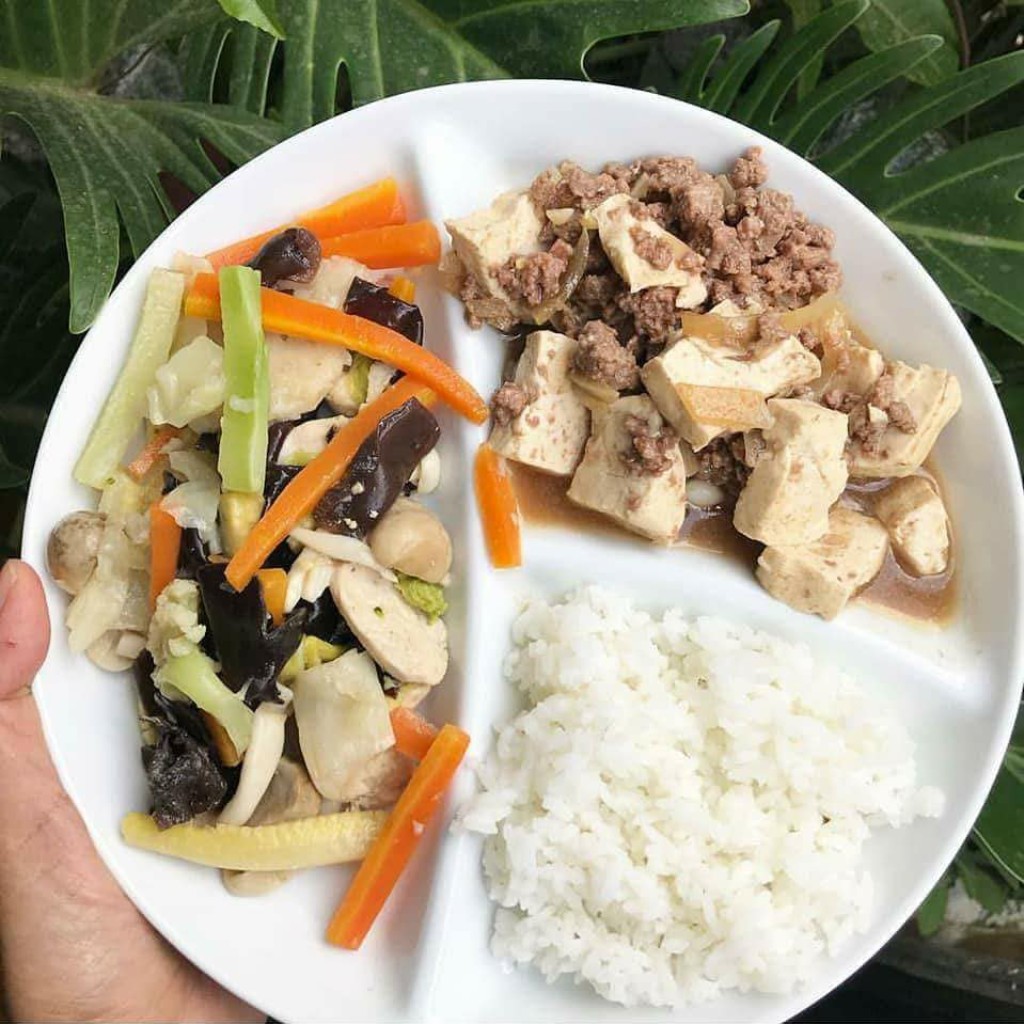
Menu Rahmah terdiri daripada nasi, pilihan protein seperti ayam atau ikan, dan sayuran. Walau bagaimanapun, hidangan yang ditawarkan tidak terhad kepada senarai yang tetap; pengusaha makanan boleh menyediakan hidangan lazim seperti nasi berlauk atau mi, serta minuman ringkas seperti air kosong. Program ini menawarkan hidangan berkhasiat dengan harga serendah RM5 sahaja.
PMR dijalankan dengan konsep ‘Tanggungjawab Sosial Korporat’, yang bermaksud program ini tidak mempunyai sasaran penjualan yang tetap. Sebaliknya, ia bergantung kepada penyertaan dan kerjasama sukarela dari pengusaha kedai makan dan persatuan restoran di seluruh negeri untuk menjayakan misi meringankan beban kewangan masyarakat.
Kesan Inisiatif Program Jualan dan Menu Rahmah kepada Pengusaha
Econsave, rangkaian pasar raya popular di Malaysia, mencatatkan lonjakan jualan sebanyak 30% setelah memperkenalkan Program Jualan Rahmah. Walaupun tidak secara langsung berkait dengan strategi pengusaha, perkembangan ini menunjukkan kesan positif kepada perniagaan secara keseluruhan melalui pendekatan tarikan pelanggan (crowd puller) ke premis mereka dan kesan pengganda (multiply effect).
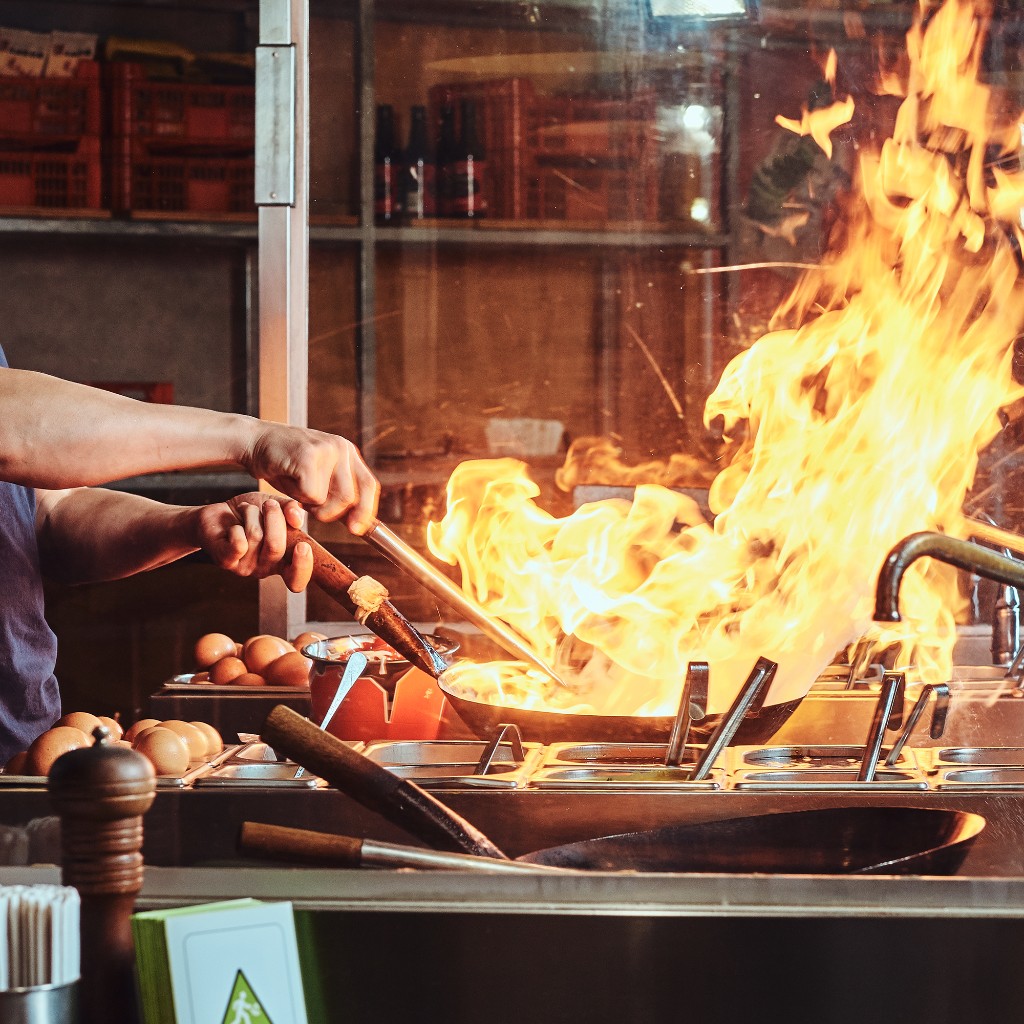
Walau bagaimanapun, pengusaha kedai kecil dan sederhana mendapati diri mereka tidak mampu bertahan lama dengan pendekatan ini. Contohnya, konflik antara Russia dan Ukraine menyebabkan peningkatan ketara sebanyak 17% dalam harga ayam. Isu ini menyebabkan pengusaha perlu mengekalkan harga ayam pada kadar biasa atau bahkan lebih tinggi. Akibatnya, secara beransur-ansur, pelanggan mereka beralih kepada pasaraya besar yang menawarkan lebih banyak pilihan dan lebih murah. Situasi ini telah mengakibatkan penurunan daya saing bagi pengusaha kedai kecil dan sederhana dalam pasaran.
Menurut kenyataan Menteri KPDN, Program Menu Rahmah tidak akan mengabaikan usahawan kecil dan sederhana. Hal ini dibuktikan dengan penyertaan 12,000 premis makanan di seluruh negara dalam program ini. Selain daripada itu, Menu Rahmah turut membantu pengusaha membina hubungan yang kukuh dengan pelanggan mereka sambil meningkatkan kepercayaan pelanggan terhadap perniagaan mereka.
Walau bagaimanapun, pemilik kedai makan dan restoran yang mempunyai perniagaan yang lebih stabil mendapat kelebihan sepenuhnya berbanding peniaga gerai makanan. Menurut laporan berita, pengusaha ini mendapat pulangan yang tinggi dengan menawarkan pelbagai set hidangan menu pada harga RM5. Lokasi perniagaan mereka juga menjadi tumpuan utama, terutamanya di kalangan pelajar universiti. Bagaimanapun, terdapat laporan yang menunjukkan bahawa beberapa kedai terpaksa menutup kedai mereka kerana mereka tidak mampu menanggung kos operasi Menu Rahmah dan tidak mendapat sambutan yang menggalakkan. Walaupun ini tidak dapat diatributkan sepenuhnya kepada program ini semata-mata, namun ia turut menyumbang kepada kerugian yang dialami oleh pengusaha-pengusaha kecil.

Kesan Inisiatif Program Jualan dan Menu Rahmah kepada Pengguna
Kajian oleh KPDN mengenai 12 jenis barangan di bawah Program Jualan Rahmah telah menunjukkan bahawa rakyat Malaysia dapat melakukan penjimatan sehingga RM24 setiap kali perlanjaan atau sehingga RM100 sebulan. Sebagai contoh, harga beras tempatan seberat 10 kilogram di pasaran biasa adalah RM40, tetapi melalui Program Jualan Rahmah, harganya adalah RM36. Walau bagaimanapun, terdapat juga aduan daripada mereka yang tidak mendapat manfaat daripada program ini kerana barangan murah dalam program ini sering kehabisan, berlaku akibat persaingan yang sengit. Untuk masa ini, kerajaan belum menetapkan kriteria kelayakan berdasarkan pendapatan isi rumah bagi penerima manfaat ini.
Selain itu, istilah ‘Menu B40’ atau ‘Menu Orang Miskin’ telah menimbulkan kebimbangan dalam kalangan rakyat mengenai standard kebersihan dan kualiti makanan yang disajikan dalam Menu Rahmah. Hal ini disebabkan penghasilan hidangan yang bersih dan berkualiti memerlukan kos yang tinggi. Walau bagaimanapun, kebimbangan ini telah dileraikan oleh kenyataan pakar dietetik yang mengesahkan bahawa Menu Rahmah menyediakan nutrisi yang mencukupi kerana mengandungi kombinasi hidangan berasaskan sumber karbohidrat, protein, serat, serta vitamin dan mineral yang diperlukan dalam diet harian. Tambahan pula, penyertaan Menu Rahmah dalam menu restoran terkenal mengesahkan bahawa hidangan ini bukan sahaja dapat dinikmati oleh semua golongan, malah boleh dijadikan sebagai hidangan premium.
Kesan Inisiatif Program Jualan dan Menu Rahmah kepada Ekonomi
Inisiatif Rahmah merupakan suatu langkah yang diambil oleh kerajaan Malaysia dalam menangani isu kenaikan kos kehidupan yang melibatkan keluarga berpendapatan rendah. Inisiatif ini ternyata berjaya membantu lebih sejuta individu dalam masyarakat. Kerajaan percaya bahawa Program Jualan dan Menu Rahmah dapat terus berkembang dan tidak menjangkakan peningkatan harga barangan makanan secara drastik dalam tempoh tiga bulan akan datang. Namun demikian, terdapat pandangan dari beberapa pakar yang meragukan keberkesanan jangka panjang kedua-dua program ini. Mereka berpendapat bahawa walaupun inisiatif ini memberikan bantuan segera kepada golongan berpendapatan rendah, ia tidak mengatasi akar umbi masalah ekonomi yang dihadapi oleh mereka.
Contohnya, Program Menu Rahmah telah memperoleh kejayaan dalam menyajikan hidangan seimbang kepada golongan yang memerlukan, serta diterima dengan baik oleh masyarakat. Usaha ini sejajar dengan objektif program jangka pendek yang lebih luas, yang bertujuan untuk memberikan bantuan kepada individu yang menghadapi kesulitan ekonomi. Walaubagaimanapun, adalah penting bagi kerajaan untuk mempertimbangkan pelaksanaan insentif yang bersifat berfokus kepada pengusaha makanan terpilih yang menyediakan Menu Rahmah. Contohnya, langkah-langkah seperti pengurangan kadar sewa dan harga bahan mentah boleh memberi dorongan kepada mereka untuk terus menyokong inisiatif ini.
Meskipun begitu, adalah penting untuk menghargai dan meneruskan Program Jualan dan Menu Rahmah dalam konteks pembangunan Malaysia. Menghentikan inisiatif sedemikian boleh memberi kesan buruk yang serius, merosakkan matlamat ekonomi negara dan menghalang ramai keluarga berpendapatan rendah daripada mendapat bantuan yang sangat diperlukan. Inisiatif ini telah membuktikan keberkesanannya dalam menggalakkan peningkatan pendapatan pengusaha melalui peningkatan kuantiti jualan, sekaligus meredakan tekanan pengurangan margin. Ia turut memberi peluang kepada mereka untuk memberikan sumbangan kebajikan kepada golongan yang memerlukan dan menjalin hubungan simbiotik yang memberangsangkan dalam ekosistem ekonomi tempatan. Oleh itu, meskipun kesan tepat Program Jualan dan Menu Rahmah terhadap ekonomi Malaysia dan manfaat semua golongan sukar untuk ditentukan, ia dengan pastinya telah memberikan bantuan yang signifikan kepada ramai keluarga berpendapatan rendah samada mereka merupakan pengusaha perniagaan atau pengguna.


The main economic issue presented in the article “Program Jualan Rahmah dan Program Menu Rahmah: Adakah Adil untuk Semua?” centers on state price interventions, socio-economic equity, and supply-chain market distortions in addressing food inflation across Malaysia. Specifically, it evaluates whether government-directed price discounts alleviate living costs for vulnerable households or inadvertently shift financial burdens onto micro-vendors and small food operators. This issue remains highly relevant to Malaysia in 2027 as global commodity volatility continues to pressure domestic living costs and lower-income purchasing power. Furthermore, the government directly prioritized this in Budget 2027 by allocating RM750 million to expand the Jualan Rahmah and Agro Madani programs across 35,000 nationwide locations. To strengthen the analytical depth of this discussion, empirical research from peer-reviewed economic studies provides concrete findings on consumer behavior and policy implementation. Specifically, Wan Nawang et al. (2025) in their study How attitude, perceived savings, price discount affect, perceived food quality shapes purchase intentions of Menu Rahmah demonstrate through an extended Theory of Planned Behavior framework that direct price discounts and perceived savings significantly drive consumer adoption among low-income households. Complementing this, research by Mohamad Azhar and Mohd (2023) titled Tackling High Cost of Living in Malaysia: A Strategic Analysis highlights that while short-term price caps cushion B40 households, systemic supply-chain policies and targeted income transfers are required to prevent market margin squeezes on small business owners. To critically investigate these structural dynamics through a Systematic Literature Review (SLR) framework, two suitable research questions are proposed: First, “How do government-subsidized price discount programs compare with market-driven pricing mechanisms in preserving the net profit margins of small food vendors in urban Malaysia?” Second, “What is the long-term impact of targeted price-intervention policies on household disposable income and food security among low-income B40 populations under the Budget 2027 framework in Malaysia?”
[TAN YU LIN G3]
The main economic issue discussed in the article is whether the Jualan Rahmah Programme and Menu Rahmah Programme are fair and effective in helping Malaysia cope with the rising cost of living. Jualan Rahmah allows consumers to purchase selected essential goods at lower prices while Menu Rahmah encourages food businesses to offer healthy meals at affordable price. These initiatives aim to improve consumer welfare by reduce their financial burdens, especially for low-income households. However, lower prices do not necessarily mean that all group benefit equally. Consumers may save more money but participating businesses may experience lower profit due to increasing operating cost. This issue will remain relevant to Malaysia in 2027 because food affordability and the effcient use of public resources are important economic concerns. In fact, Lee et al. (2025) studies the Menu Rahmah programme among 318 students at UiTM campus by examine meal affordability and nutritional quality. However, further evidence on consumers’ actual saving and participated businesses’ operating cost and profit needed to determine whether these programmes benefit both group fairly. Furthermore, Department of Statistics Malaysia (2025) reported that Malaysian households spent an average of RM876 per month on food and beverages in 2024, accounting for 15.7% of total household consumption expenditure. This result shows that food is an important part of household spending. Lastly, there are two research questions suitable for a Systematic Literature Review (SLR) on this issues. The first research question is how effective are affortable food programmes in improving food affordability and food security among long income household in Malaysia? The second research question is what are the challenges faced by small businesses when participating in government-supported affordable food programme? Overall, the Jualan Rahmah Programme and Menu Rahmah Programme may provide short-term relief but their long-term effectiveness depends on sustainable support for small business.
This article “Program Jualan Rahmah dan Program Menu Rahmah: Adakah Adil untuk Semua?” discusses the rising cost of living in Malaysia and the fairness of the benefits received by consumers or business owners under the Rahmah programmes. These programmes aim to reduce the cost of necessary goods and meals, especially for low-income households. However, this article also highlights the challenges faced by small businesses due to increasing operating costs and competition with larger retailers. In my opinion, I agree with the author that these programmes should be continued because they help reduce the financial burden on households. However, I believe that the government should also provide more support to small businesses to ensure that they can continue to participate without facing serious financial issues. For example, this article mentions that Econsave experienced a 30% increase in sales after introducing Program Jualan Rahmah, but smaller businesses may not enjoy the same benefits. This shows that the economic impact of the programmes varies depending on business size. For me, this issue remains relevant to Malaysia in 2027 because affordable food and household purchasing power are still important economic concerns. Although these programmes provide short relief, they may not fully address the underlying problems of low household income and increased operating costs. According to the Department of Statistics Malaysia (DOSM, 2026), food and beverage inflation increased from 2.0% in 2024 to 2.1% in 2025. These findings show that food prices have continued to increase, which helps explain why affordable food programmes remain important in Malaysia. Besides, 54.5% of surveyed businesses reported that high operating costs affected their business performance (ACCCIM Socio-Economic Research Centre, 2026). This also supports the concern about the financial challenges faced by businesses. Based on these issues, I would like to propose two research questions for a Systematic Literature Review (SLR). The first research question studies how affordable food programmes affect household food expenditure and purchasing power among low-income households in Malaysia, while the second research question examines how participation in affordable food programmes affect the profitability and long-term sustainability of small food businesses in Malaysia. Overall, I agree that the Rahmah programmes should be continue, but I believe that there is a need for more targeted support and evaluation to ensure their long-term effectiveness and fairness.
An increasing of inflation rate from 2.8% to 3.2% on December 2021 due the pandemic covid-19, conflict Russi and Ukraine, climate change and unstable currency. To resolve this situation, Malaysia government has introduced the RAHMAH initiative such as Program Menu Rahmah and Program Jualan Rahmah, but these initiatives caused the main economic issue. First, Market Equity due to uneven cost pressures on small businesses compared to large supermarkets, perceptions and social stigma, and targeting gaps for consumers. Second, distribution fairness. Certain individuals fail to benefit from the initiatives because of competition causes discounted good to run out of stock. Large supermarket like Econsave enjoyed a 30% increase in sales and customer attraction effect, but small and medium sized business struggle to absorb rising raw material costs such as a 17% increase in chicken prices. Third is about the long-term economic sustainability due to the initiatives need for targeted government support and it do not resolve the root structural economic problems facing these populations. Also, the initiatives relied on voluntary participation rather than permanent structures. Yes, the issues is critically relevant to Malaysia in 2027. The pressures of inflation is still continuing increased the global commodity costs, and Malaysia’s ongoing macro-fiscal transition toward targeted subsidies continue to place a heavy burden on household disposable incomes. It evaluating whether the voluntary pricing schemes can safeguard vulnerable populations without imposing unfair cost burdens on small-scale merchants remains a central policy challenge for balancing consumer protection with retail sector viability. The additional evidence from reliable reports or previous studies could strengthen the discussion including using official statistics such as Department of Statistics Malaysia (DOSM) to justify why an issue matters. Secondly, for the monetary policy, digital finance, and macroeconomics indicators, we can search from Bank Negara Malaysia (BNM) reports. Lastly, peer reviewed academic studies that investigating the welfare distribution effects and market distortions of voluntary price stabilization and subsidy targeting framework. Two research questions suitable for a Systematic Literature Review (SLR) on the issue including the first one is “How do voluntary retail price intervention policies impact the operational sustainability, revenue stability, and profit margins of micro-enterprises and small-to-medium enterprises (SMEs) across diverse regional markets in Malaysia?” The second question is “To what extent do voluntary retail discount schemes and subsidized food programs generate sustainable improvements in long-term household food security and disposable income compared to short-term relief?”
An increasing of inflation rate from 2.8% to 3.2% on December 2021 due the pandemic covid-19, conflict Russi and Ukraine, climate change and unstable currency. To resolve this situation, Malaysia government has introduced the RAHMAH initiative such as Program Menu Rahmah and Program Jualan Rahmah, but these initiatives caused the main economic issue. First, Market Equity due to uneven cost pressures on small businesses compared to large supermarkets, perceptions and social stigma, and targeting gaps for consumers. Second, distribution fairness. Certain individuals fail to benefit from the initiatives because of competition causes discounted good to run out of stock. Large supermarket like Econsave enjoyed a 30% increase in sales and customer attraction effect, but small and medium sized business struggle to absorb rising raw material costs such as a 17% increase in chicken prices. Third is about the long-term economic sustainability due to the initiatives need for targeted government support and it do not resolve the root structural economic problems facing these populations. Also, the initiatives relied on voluntary participation rather than permanent structures. Yes, the issues is critically relevant to Malaysia in 2027. The pressures of inflation is still continuing increased the global commodity costs, and Malaysia’s ongoing macro-fiscal transition toward targeted subsidies continue to place a heavy burden on household disposable incomes. It evaluating whether the voluntary pricing schemes can safeguard vulnerable populations without imposing unfair cost burdens on small-scale merchants remains a central policy challenge for balancing consumer protection with retail sector viability. The additional evidence from reliable reports or previous studies could strengthen the discussion including using official statistics such as Department of Statistics Malaysia (DOSM) to justify why an issue matters. Secondly, for the monetary policy, digital finance, and macroeconomics indicators, we can search from Bank Negara Malaysia (BNM) reports. Lastly, peer reviewed academic studies that investigating the welfare distribution effects and market distortions of voluntary price stabilization and subsidy targeting framework. Two research questions suitable for a Systematic Literature Review (SLR) on the issue including the first one is “How do voluntary retail price intervention policies impact the operational sustainability, revenue stability, and profit margins of micro-enterprises and small-to-medium enterprises (SMEs) across diverse regional markets in Malaysia?” The second question is “To what extent do voluntary retail discount schemes and subsidized food programs generate sustainable improvements in long-term household food security and disposable income compared to short-term relief?”
(RENEE OOI HUI EN_23301204) (GROUP 3)
【ALICE LEE YING CHEN】
This article primarily addresses the economic issue of government market intervention to alleviate the rising cost of living, specifically questioning the equity and long-term sustainability of blanket subsidy-style initiatives. By offering low-cost meals and groceries to the general public regardless of their income bracket, the programs highlight a fundamental economic tension between consumer welfare and the financial burden placed on participating vendors who must absorb profit margin cuts without direct financial subsidies. In my opinion, this issue remains highly relevant to Malaysia in 2027 because food affordability continues to affect vulnerable households. According to the Department of Statistics Malaysia (DOSM, 2025), the absolute poverty rate was 5.1% in 2024, while the relative poverty rate reached 16.7%. This data highlights the financial challenges faced by some households. In addition, DOSM reported that Malaysia’s Food and Beverages price index increased by 2.1% in June 2025, while the price of food consumed away from home rose by 4.7%, indicating continued pressure on consumers who purchase prepared meals. These findings show that the importance of affordable food initiatives, particularly for lower-income households. Incorporating academic research from local institutions UiTM that quantitatively analyzes the operational costs, profit margin compression, and business survival rates of food vendors participating in voluntary price-capping initiatives. This would provide concrete data on the financial burden placed on small businesses. Moreover, article “Of Menu Rahmah and the fight against inflation” by Jamil A Ghani discusse the long-term sustainability of the Menu Rahmah program, the high cost of ingredients for restaurant owners, and the adverse effects of price controls. Furthermore, to further investigate this topic through a Systematic Literature Review (SLR), two suitable research questions suggested. First, “How do government-initiated, voluntary retail price-control programs impact the long-term profitability and operational sustainability of small-to-medium enterprise (SME) food vendors?” and second, “How do geographical differences affect access to affordable food programmes in urban and rural communities?” By synthesizing these elements and exploring these research avenues, policymakers can better determine if the universal “Rahmah” concept functions purely as a temporary socio-political relief measure or if it can evolve into a viable, fair cornerstone of equitable long-term macroeconomic policy.
Department of Statistics Malaysia. (2025). Poverty in Malaysia, 2024. https://www.dosm.gov.my/portal-main/release-content/poverty-in-malaysia-2024
Department of Statistics Malaysia. (2025). Consumer price index, June 2025. https://www.dosm.gov.my/portal-main/release-content/consumer-price-index-june-2025
Azmi, M. D. I., Mohd@Abd Rahman, M. F., Shahrin, M. I. F., Azahar, K. A. S., & Ahmad, N. I. S. (2023). Menu rahmah survey in Malaysia. In Johor Innovation Invention Competition and Symposium 2023 Universiti Teknologi MARA. https://ir.uitm.edu.my/id/eprint/130459/
Ghani, J. A. (2023, March 1). Of Menu Rahmah and the fight against inflation. Institute of Strategic and International Studies (ISIS) Malaysia. https://www.isis.org.my/2023/03/01/of-menu-rahmah-and-the-fight-against-inflation/
The main economic issue discussed in the article is about the rising food price, cost of living, and food affordability in Malaysia. Higher food prices result in reduction of household’s purchasing power, particularly for low income groups. Government initiatives such as Program Jualan Rahmah (PJR) and Program Menu Rahmah (PMR) provide essential goods and affordable meals at low prices with an intention to reduce the cost of living and improve purchasing power, especially for low-income households. However, the limited benefits may not be equally distributed. Small businesses may struggle to maintain low prices when their input and operating costs increase, and compete with large supermarkets. The issue is still relevant to Malaysia in 2027. According to the Department of Statistics Malaysia (2026), price of food and beverage continued to increase in 2026, which recorded 1.9% inflation in August 2026. This indicates that households still experience high cost living pressures. Moreover, the Fifth MADANI Budget 2027 introduced and expanded policies to reduce household’s cost living burden and improve food affordability (Ministry of Finance Malaysia, 2026). For example, the allocation for Jualan Rahmah MADANI and Jualan Agro MADANI increased from RM630 million to RM750 million. The government also plans 5,000 Jualan Agro MADANI programmes which provide fresh products like fish, chicken, vegetables, and fruits at a discount price of up to 30%. In addition, the government continues supporting household purchasing power by increasing the STR, SARA allocation from RM15 billion to RM16 billion, with eligible recipients receiving up to RM150 per month. These ongoing financial support and expansion of affordability programmes demonstrate continued efforts to ease the financial burden on households and help them afford basic necessities. Thus, the issue still exists in 2027. Two research questions for a Systematic Literature Review (SLR) on this issue are “How effective are food price intervention programmes in improving household purchasing power among low-income households in Malaysia?” and “What are the economic impacts of food affordability programmes on consumers and small food businesses in Malaysia?”.
(ONG ZHI YI, G9)
The main economic issue discussed in the article is about the rising food price, cost of living, and food affordability in Malaysia. Higher food prices result in reduction of household’s purchasing power, particularly for low income groups. Government initiatives such as Program Jualan Rahmah (PJR) and Program Menu Rahmah (PMR) provide essential goods and affordable meals at low prices with an intention to reduce the cost of living and improve purchasing power, especially for low-income households. However, the limited benefits may not be equally distributed. Small businesses may struggle to maintain low prices when their input and operating costs increase, and compete with large supermarkets.
The issue is still relevant to Malaysia in 2027. According to the Department of Statistics Malaysia (2026), price of food and beverage continued to increase in 2026, which recorded 1.9% inflation in August 2026. This indicates that households still experience high cost living pressures. Moreover, the Fifth MADANI Budget 2027 introduced and expanded policies to reduce household’s cost living burden and improve food affordability (Ministry of Finance Malaysia, 2026). For example, the allocation for Jualan Rahmah MADANI and Jualan Agro MADANI increased from RM630 million to RM750 million. The government also plans 5,000 Jualan Agro MADANI programmes which provide fresh products like fish, chicken, vegetables, and fruits at a discount price of up to 30%. In addition, the government continues supporting household purchasing power by increasing the STR, SARA allocation from RM15 billion to RM16 billion, with eligible recipients receiving up to RM150 per month. These ongoing financial support and expansion of affordability programmes demonstrate continued efforts to ease the financial burden on households and help them afford basic necessities. Thus, the issue still exists in 2027.
Two research questions for a Systematic Literature Review (SLR) on this issue are “How effective are food price intervention programmes in improving household purchasing power among low-income households in Malaysia?” and “What are the economic impacts of food affordability programmes on consumers and small food businesses in Malaysia?”.
ONG ZHI YI (G9)
The main economic issue discussed in the article is the rising cost of living in Malaysia, particularly food affordability, purchasing power and the fairness of government assistance. The article examines Program Jualan Rahmah and Program Menu Rahmah, arguing that although these initiatives provide immediate savings, their benefits may not be distributed equally because discounted products can run out, access varies by location, and smaller food businesses may struggle with operating costs. This issue is likely to remain relevant to Malaysia in 2027 because food affordability is closely linked to household welfare, especially among low-income families. The government has also expanded the programme: Budget 2027 raises the allocation for Jualan Rahmah and Jualan Agro MADANI from RM630 million to RM750 million, targeting 35,000 sales events, while the minimum wage will rise to RM2,000 from June 2027, which may increase operating costs for small food businesses (Bernama, 2026a). Participation has also grown, reaching about 31.8 million transactions between January and September 2026 (Bernama, 2026b). However, some claims, such as Econsave’s reported sales increase and consumer savings, require clearer sources and more recent data, and the discussion would be stronger if it compared low-income consumers, middle-income households and small food operators rather than assuming all groups benefit equally. Additional evidence could come from the Department of Statistics Malaysia’s Consumer Price Index and Household Expenditure Survey on food inflation and spending across income groups, and from KPDN data on participating outlets and coverage. Prior research is also useful: Wan Nawang et al. (2024) found that perceived price attractiveness significantly influences Menu Rahmah purchase intention among university students, although the study focuses on consumers rather than operators. Two research questions suitable for a Systematic Literature Review are: (1) To what extent do food affordability programmes and targeted price discounts improve the purchasing power and food security of low-income households in Malaysia? (2) What are the economic effects of government-supported affordable food initiatives on the profitability and competitiveness of small and medium-sized food retailers and restaurants in Malaysia? (HOO XIN YI G3)
The article “Program Jualan Rahmah dan Program Menu Rahmah: Adakah Adil untuk Semua?” discusses the rising cost of living in Malaysia and evaluates whether government initiatives such as Program Jualan Rahmah (PJR) and Program Menu Rahmah (PMR) provide fair benefits to consumers and businesses. These programmes aim to make essential goods and meals more affordable, particularly for low-income households. However, the article highlights an important economic issue: while consumers benefit from lower prices, small businesses may struggle with rising operating costs and reduced profit margins. For example, larger supermarkets can attract more customers through discounted products, while smaller retailers may lack the financial resources to compete. This issue remains relevant to Malaysia in 2027 because affordability, income inequality and the sustainability of government assistance continue to be important economic concerns. The government’s 2027 Budget, which allocates RM16 billion for cash assistance to lower-income citizens, further demonstrates the continuing need to address cost-of-living pressures (Reuters, 2026). Although these programmes provide short-term financial relief, they may not solve underlying problems such as low wages, rising production costs and unequal purchasing power. The article presents useful examples of consumer savings and business challenges, but its discussion could be strengthened through more comprehensive empirical evidence. For instance, data from the Department of Statistics Malaysia (DOSM) on household expenditure and food inflation could help determine whether the programmes significantly improve household purchasing power. Furthermore, reports from the Ministry of Domestic Trade and Cost of Living (KPDN) could provide evidence on programme participation, geographical accessibility and the financial sustainability of participating businesses. Comparing the experiences of small retailers and large supermarkets would also help evaluate whether the benefits are distributed fairly. Based on these issues, two research questions suitable for a Systematic Literature Review (SLR) are “How effective are government food-price intervention programmes in reducing cost-of-living pressures and improving household welfare among low-income groups?” and “What are the economic impacts of subsidised food and essential-goods programmes on the profitability and competitiveness of small and medium-sized businesses?” Overall, the Rahmah initiatives are valuable short-term measures, but their long-term effectiveness depends on equitable access, business sustainability and policies addressing the underlying causes of rising living costs.
Reference:
Reuters. (2026, October 9). Malaysia to lift minimum wages, expand tax relief in $112.5 billion 2027 spending boost.
https://www.reuters.com/world/asia-pacific/malaysia-plans-1125-billion-budget-2027-ahead-possible-election-2026-10-09/?utm_source=chatgpt.com
Ministry of Finance Malaysia. (2025). Pre-Budget Statement 2026.
https://mof.gov.my/portal/en/news/press-release/pre-budget-statement2026?utm_source=chatgpt.com