
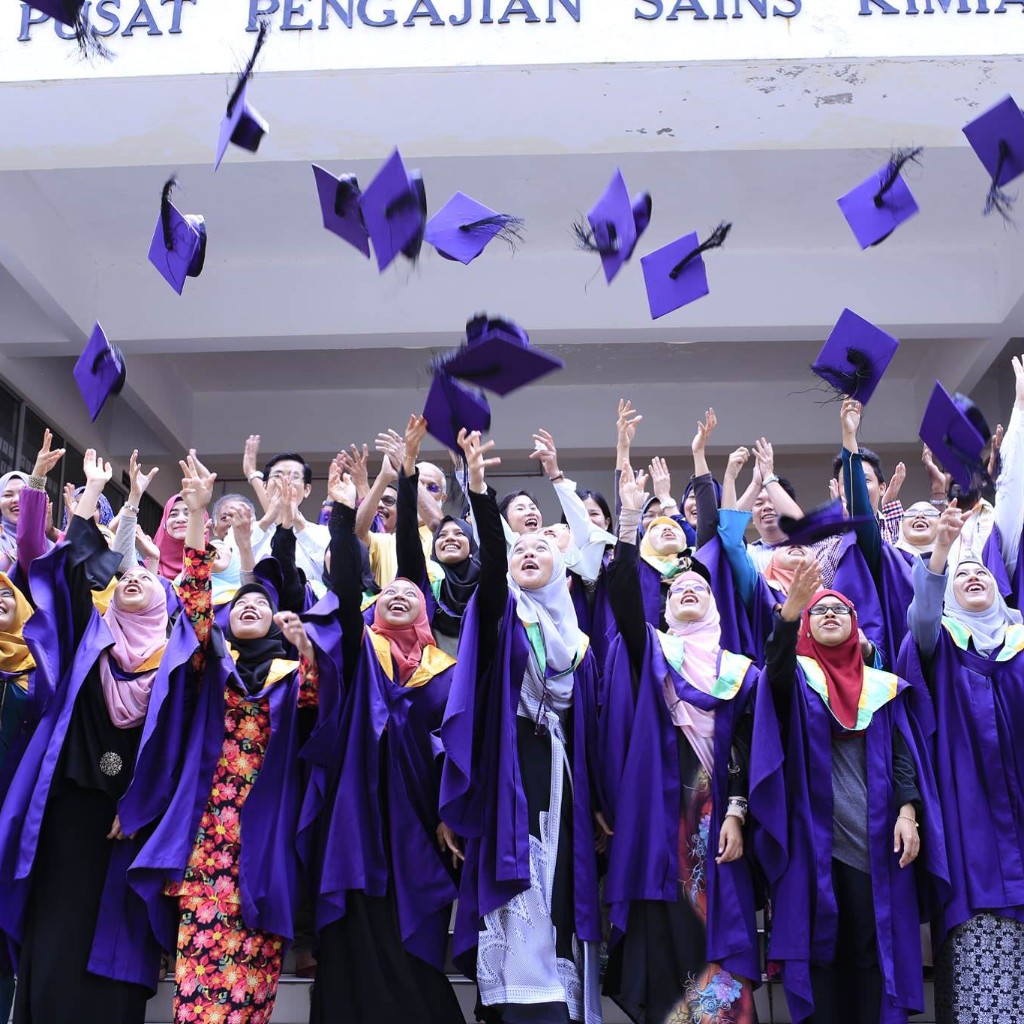
Mitos vs Realiti: Nilai Pendidikan Tertiari dalam kalangan Belia di Malaysia
Oleh: Dr. Siti ‘Aisyah Baharudin
Mutakhir ini, persoalan mengenai kurangnya minat belia terhadap pengajian tinggi semakin menjadi tanda tanya besar. Fenomena ini dipicu oleh suara-suara pempengaruh di media sosial yang mengutarakan keraguan mengenai kepentingan melanjutkan pelajaran. Mereka mempromosikan pekerjaan segera mungkin lebih menguntungkan secara kewangan daripada melabur dalam pendidikan tinggi. Menurut statistik Kementerian Pendidikan Malaysia pada tahun 2023, terdapat penurunan sebanyak 10% dalam pendaftaran pelajar ke program-program pengajian tinggi secara keseluruhan berbanding tahun sebelumnya.
Selain itu, semakin ramai generasi muda memilih untuk meninggalkan alam pengajian tinggi dan melompat masuk ke dalam gelombang ekonomi gig. Menurut kajian oleh Institut Penyelidikan Pendidikan Tinggi Malaysia, hampir 30% daripada responden yang terdiri daripada belia berusia antara 18 hingga 25 tahun menyatakan bahawa mereka memilih ekonomi gig kerana dianggap sebagai cara yang lebih cepat untuk mendapatkan pendapatan berbanding melanjutkan pengajian tinggi. Sebagai contoh, ada yang memilih untuk menjadi pemandu Grab atau menyertai platform jualan dalam talian seperti Shopee atau TikTok. Justifikasi lain adalah pekerjaan ini tidak memerlukan kelayakan akademik yang tinggi tetapi mampu memberikan pulangan kewangan yang memuaskan dalam tempoh yang singkat.
Sikap mentaliti yang meremehkan nilai pengajian tinggi adalah satu isu yang memerlukan perhatian serius di Malaysia. Ramai individu, terutama dalam kalangan belia, meyakini bahawa kejayaan dan pendapatan tinggi boleh dicapai tanpa perlu melanjutkan pendidikan ke peringkat yang lebih tinggi. Namun, realitinya adalah pendidikan lanjutan atau tertiari memberikan pelbagai peluang dan kelebihan yang tidak boleh diabaikan.

Pendidikan Tertiari di Malaysia
Pendidikan tertiari di Malaysia meliputi peringkat pendidikan selepas sekolah rendah dan menengah. Ia melibatkan pelbagai institusi seperti universiti awam dan swasta, kolej, dan universiti kolej. Pelbagai pilihan pendidikan turut ditawarkan termasuk sijil kemahiran khas, diploma, diploma lanjutan, ijazah sarjana muda, ijazah sarjana, dan ijazah doktor falsafah.
Agensi Kelayakan Malaysia (MQA) memainkan peranan penting dalam menjamin kualiti pendidikan tinggi di kedua-dua sektor awam dan swasta yang telah berdaftar. Sementara itu, Kementerian Pendidikan Tinggi bertanggungjawab untuk mengawal dan memantau keperluan kualiti, dengan memberi tumpuan kepada meritokrasi dan mengurangkan kebergantungan pada kuota kaum. Kementerian ini juga terlibat dalam merancang dasar-dasar pendidikan tinggi negara serta melaksanakan program-program untuk memajukan sistem pengurusan dan memastikan kemudahan prasarana yang mencukupi bagi perkembangan pendidikan tinggi di Malaysia.

Nilai Pendidikan Tertiari menurut Ekonomi dan Sosial
Pendidikan tertiari memegang peranan yang amat penting dalam pembangunan ekonomi dan struktur sosial masyarakat kerana manfaatnya yang pelbagai. Nilai pendidikan tertiari dalam ekonomi dan sosial telah menjadi fokus kajian penyelidik di pelusuk negara. Mereka menggariskan bahawa:
- Pendidikan tertiari memainkan peranan penting dalam pembangunan ekonomi, seperti yang dibuktikan dalam kajian kes dari Pertubuhan Kerjasama dan Pembangunan Ekonomi (OECD), seperti Finland dan Korea Selatan. Hasil kajian menunjukkan pendidikan tertiari berkait rapat dengan kemajuan wilayah, inovasi, dan pasaran buruh.
- Pendidikan tertiari dikaitkan dengan pemilikan perniagaan dan produktiviti makroekonomi yang lebih tinggi, menunjukkan hubungan langsung yang signifikan dengan pertumbuhan ekonomi.
- Pendidikan tertiari dianggap sebagai barang awam yang diperlukan untuk mengukuhkan dan memulihkan negara yang kurang membangun.
- Pendidikan tertiari meningkatkan kapasiti penyertaan dalam ekonomi global berdasarkan pengetahuan, yang penting untuk pertumbuhan ekonomi dan mengurangkan kemiskinan.
- Pendidikan tertiari dilihat sebagai pendorong utama dalam daya saing ekonomi di era globalisasi, yang menekankan kepentingan kemahiran pekerjaan peringkat tinggi dan penyelidikan yang kompetitif.
- Peranan pendidikan tertiari melangkaui produktiviti buruh, mempengaruhi pembangunan sosial dan ekonomi melalui penciptaan tenaga buruh yang bersemangat untuk memperoleh pengetahuan dan pembelajaran sepanjang hayat.
- Pendidikan tertiari yang berkualiti diakui sebagai penentu utama pembangunan ekonomi dan sosial yang mampan, dengan faktor-faktor seperti kualiti pensyarah, sokongan pentadbiran, dan prosedur akademik.
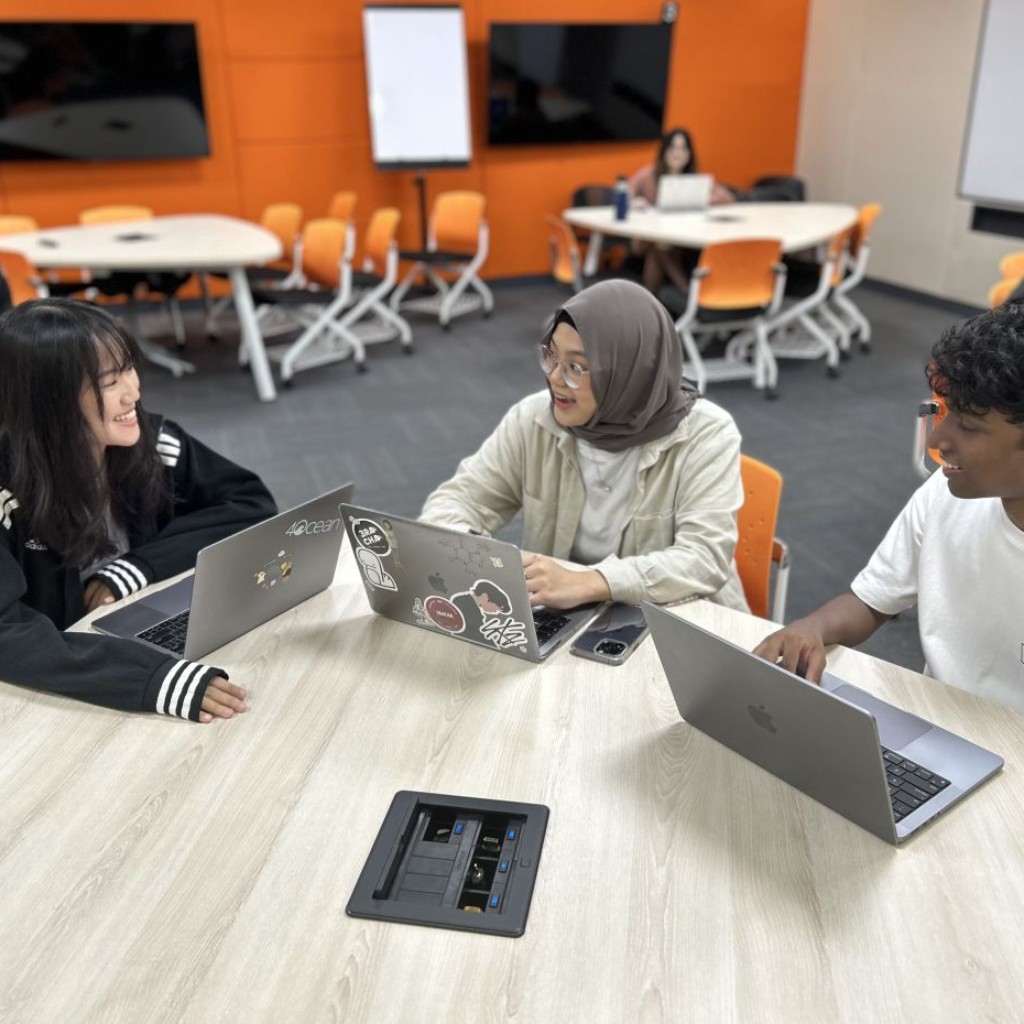
Membangun Malaysia melalui Universiti
Komitmen kerajaan terhadap pendidikan sebagai tonggak keutamaan negara direalisasikan melalui pelaburan besar dan peruntukan fiskal yang tinggi untuk bidang pendidikan, khususnya pendidikan tertier. Kementerian Pendidikan Tinggi menerima suntikan dana dengan kenaikan sebanyak 5.7 peratus melalui Belanjawan 2023 berbanding tahun-tahun sebelumnya. Antara penumpuan utama adalah usaha pendigitalan yang diharapkan dapat mengembangkan akses kepada pembelajaran yang berkualiti, inovatif, fleksibel, dan berskala global kepada semua individu tanpa mengira lokasi geografi mereka. Pelaburan dalam pendidikan tinggi menjadi kritikal kerana ia tidak hanya menyediakan landasan yang diperlukan untuk menggerakkan pertumbuhan ekonomi, tetapi juga untuk meningkatkan taraf hidup rakyatnya secara menyeluruh.
Selain itu, inisiatif untuk menarik lebih ramai belia menyambung pengajian ke peringkat pengajian tinggi adalah termasuk memperkenalkan kursus pengajian yang fleksibel, memendekkan tempoh pengajian, menyediakan lebih banyak peluang pembelajaran berasaskan industri dan kerja, memperkenalkan program asas pendidikan dan latihan teknikal dan vokasional (TVET), meningkatkan program latihan industri dan pembelajaran berasaskan kerja serta mendapatkan dana yang berorientasikan industri dan keusahawanan. Inisiatif-inisiatif ini bertujuan untuk menangani kebimbangan seperti pasaran kerja, pengangguran, gaji rendah walaupun berpendidikan tinggi, dan untuk menjadikan pembelajaran di peringkat pengajian tinggi lebih menarik dan mudah diakses.
Kajian pengesanan graduan bagi tahun 2022 telah menunjukkan bahawa hanya 9.2 peratus daripada seramai 295,962 graduan yang belum mendapat pekerjaan selepas menamatkan pengajian mereka. Data ini memberikan keyakinan kepada golongan belia untuk terus menyambung pengajian selepas SPM dan meruntuhkan mitos yang mengatakan tiada pekerjaan selepas menyambung pelajaran.
Universiti adalah landasan penting bagi pembangunan diri belia, bukan sekadar untuk mendapatkan pengetahuan dan kelayakan sahaja. Ia membuka pintu kepada pelbagai peluang dan mengasah kemahiran interpersonal yang penting dalam kehidupan melalui aktiviti kokurikulum seperti memegang jawatan wakil pelajar, melibatkan diri secara aktif dalam sukan dan kelab serta program kemasyarakatan. Di samping memperoleh ijazah, para belia dapat belajar bagaimana menerima dan memberi pendapat dengan hormat, berketerampilan dengan yakin dan memperkukuhkan jati diri.
Kesimpulannya, pendidikan tertiari diiktiraf sebagai penggerak utama dalam meningkatkan daya saing ekonomi serta mengukuhkan pembangunan sosial. Selain itu, ia menyumbang kepada perkembangan modal insan, memperkaya pangkalan ilmu pengetahuan, menggalakkan penyebaran serta penggunaan pengetahuan, dan menjaga kelestarian warisan ilmiah merentasi generasi. Mitos yang beredar menyebutkan bahawa melanjutkan pendidikan merupakan satu pembaziran masa dan wang harus dielakkan. Sebaliknya, galakan dan promosi untuk meneruskan pengajian seharusnya diperluaskan, terutamanya dalam kalangan belia. Golongan belia berperanan sebagai pelapis generasi masa hadapan yang menghargai ilmu pengetahuan. Pendidikan Tertiari melalui universiti membentuk belia untuk menjadi profesional dalam bidang masing-masing seperti jurutera, doktor, peguam, guru, saintis, dan banyak lagi. Dengan melanjutkan pelajaran, golongan belia di Malaysia boleh menjadi lebih berdaya saing di pasaran kerja yang semakin mencabar. Ini memberi kelebihan untuk membangunkan masyarakat dan menyumbang kepada kemajuan negara secara keseluruhannya.
Mitos menghambat, dicungkil realiti,
Belia terpelajar, negara bermaya,
Dengan ilmu, mereka berjaya berdiri,
Pendidikan tertiari membawa cahaya.



The main economic issue discussed in the article is the Malaysian youths have less interested in tertiary education and the declining perception of the value of tertiary education among them. This happens especially when the Malaysian Youths argue that starting work immediately or entering gig economy can bring more money than spending several years studying at a university or college. The article also highlights the economic and social benefits of tertiary education which includes higher economic growth, higher productivity, reduction of poverty and social development. The issue still relevant to Malaysia in 2027 because Malaysian youths continue to face concerns about education costs, graduate unemployment, low wages and skills mismatches. According to the Department of Statistics Malaysia (DOSM, 2025), Malaysia had 5.98 million graduates in 2024, with a graduate unemployment rate of 3.2%. The median monthly salary of degree holders was RM5,724, compared with RM3,390 for diploma holders. The statistics show that higher education may have higher wages. However, these figures do not guarantee that every graduate will get a high-paying job because employment opportunities also depend on their field of study, work experience and labour demand in the market. Therefore, the article’s argument is generally convincing, but it should also consider graduates who work in jobs below their qualification level and the high cost of obtaining a degree. The additional evidence can be obtained from DOSM’s Graduates Statistics reports, the Ministry of Higher Education’s Graduate Tracer Study and Khazanah Research Institute’s (2024) report, Shifting Tides: Charting Career Progression of Malaysia’s Skilled Talents to strengthen the discussion. These sources could provide more information about graduates’ salaries, job opportunities, skills mismatches and career development. Based on this issue, two research questions that suitable for a Systematic Literature Review (SLR) are “How does tertiary education influence the employment outcomes and income levels of young adults in Malaysia compared with those who start working after secondary education?” and” What factors influence Malaysian youths’ decisions to continue their studies or enter the workforce and gig economy directly after secondary school?”
The article “Mitos vs Realiti: Nilai Pendidikan Tertiari dalam Kalangan Belia di Malaysia” by MyREF (2024) discusses how many young people in Malaysia are losing interest in tertiary education because they think gig economy jobs like Grab driving or online selling give faster money. The main economic issue in this article is the conflict between choosing quick cash from gig jobs and investing time and money into higher education. Some young people believe that working or joining the gig economy can help them earn money faster than going to university. However, higher education can help people gain knowledge, improve their skills, and get better job opportunities. I think this issue is still relevant in Malaysia in 2027 because high living costs and job market challenges still make many youths question if going to university is truly worth it. Although having a degree can improve job opportunities, it does not guarantee a good job or a high salary. According to the Department of Statistics Malaysia (DOSM, 2025), the graduate unemployment rate was 3.2% in 2024. However, DOSM also reported that 35.6% of employed people with tertiary education experienced skill-related underemployment in the second quarter of 2025. This means that some graduates work in jobs that do not fully use their skills or qualifications. These figures show that higher education remains valuable, but the quality of education and the availability of suitable jobs are also important. To make the discussion stronger, reports like Malaysia’s Graduate Tracer Study, OECD education studies, and World Bank human capital reports can be used as evidence. Two suitable research questions for a Systematic Literature Review (SLR) are: (1) How does tertiary education affect the employment opportunities and income of young people in Malaysia? (2) What factors influence the decision of Malaysian youth to pursue higher education or enter the workforce directly? In conclusion, higher education can bring economic and social benefits, but its value depends on education quality, students’ skills, and labour market needs. Therefore, Malaysia should improve the link between universities and employers to help graduates find suitable jobs.
References:
DOSM. (2025). Department of Statistics Malaysia. Dosm.Gov.My. https://www.dosm.gov.my/portal-main/release-content/graduates-statistics-2024
DOSM. (2025). Department of Statistics Malaysia. Dosm.Gov.My. https://www.dosm.gov.my/portal-main/release-content/labour-market-review-lmr-second-quarter-2025
[CHANG YING NEE]
The main economic issue discussed in the article is the declining interest among Malaysian youth in tertiary education, partly influenced by social media influencers and concerns about whether higher education provides sufficient economic returns. This issue reflects the trade-off between the costs of obtaining a tertiary qualification, including tuition fees and opportunity costs, and its potential benefits, such as higher earnings and better employment opportunities. This trend may pose a structural threat to long-term human capital development, labour productivity and national competitiveness if fewer young people acquire the advanced knowledge and skills required by the economy.In my opinion, this issue remains highly relevant to Malaysia in 2027, as graduate underemployment and mismatches between graduate skills and labour market demands continue to be important economic concerns. According to the Department of Statistics Malaysia (DOSM, 2025), Malaysia recorded 5.98 million graduates in 2024, with a graduate unemployment rate of 3.2%. Furthermore, degree holders earned a median monthly salary of RM5,724, compared with RM3,390 for diploma holders (DOSM, 2025). These figures suggest that higher qualifications may offer greater earning potential. However, a degree does not guarantee a high-paying job, as actual earnings also depend on job availability, industry, work experience and the relevance of graduates’ skills to employers’ needs. Therefore, improving the quality and affordability of tertiary education is important to ensure that its benefits justify the investment. The discussion could be strengthened by incorporating Bank Negara Malaysia annual reports, World Bank labour market assessments and previous peer-reviewed studies. These sources could provide additional evidence on graduate underemployment, wage differentials, skills mismatches and the long-term returns to higher education. Such evidence would help determine whether concerns about tertiary education are supported by labour market outcomes and whether alternative employment opportunities offer comparable long-term economic benefits.To further investigate this topic academically, two suitable research questions for a Systematic Literature Review (SLR) are: (1) What are the primary socio-economic factors influencing youth participation in tertiary education compared with the gig economy in developing economies? (2) How does structural skills mismatch affect the wage premium and employment outcomes of tertiary graduates in Malaysia?
Tan Li Ying
The main economic issue in the article is the concern that fewer young people in Malaysia may be interested in continuing their studies at the tertiary level. Some of the young people believe that starting work early, especially in the gig economy is a better way to earn money rather than going to university. However, tertiary education can help people develop their knowledge and skills, improve their productivity and increase their chances of getting better jobs. This issue is related to human capital because education is an investment in a person’s future. It also involves opportunity cost because students give up the income they could earn while studying. This issue is still relevant to Malaysia in 2027 because young people continue to face concerns about education expenses, unemployment after graduate and low starting salaries. According to the Department of Statistics Malaysia (DOSM, 2025), the graduate unemployment rate was 3.2% in 2024. The median monthly salary for degree holders was RM5,724, compared with RM3,390 for diploma holders. These figures suggest that higher qualifications may be linked to higher earnings. But, a degree does not guarantee a good job for everyone. To provide stronger support for the discussion, information from DOSM’s Graduates Statistics 2024 could be used. These reports can help explain graduate employment, salary differences and the relationship between education and job opportunities. Previous studies on gig workers could also provide information about their income, job stability and future career development. In addition, research comparing the long-term earnings of university graduates and people who start working immediately could help show whether tertiary education provides better financial benefits. Two research questions for a Systematic Literature Review (SLR) are (1) How does tertiary education affect the employment opportunities of young people in Malaysia? (2) How does family income affect young people’s decisions to pursue tertiary education in Malaysia? In conclusion, tertiary education can provide young people with useful knowledge, skills and better career opportunities. However, education costs and future job prospects should also be considered. Hence, these factors can help the government and universities develop better policies to support young people in making suitable education and career decisions by their own path.
References
1. DOSM. (2025). Department of Statistics Malaysia. Dosm.Gov.My. https://www.dosm.gov.my/portal-main/release-content/graduates-statistics-2024
The main economic issue discussed in the article was the value of tertiary education among Malaysian youth. Some young people believe that working immediately after secondary school is more beneficial than pursuing higher education. They may prefer earning money early instead of spending time and money during their tertiary education. However, tertiary education can improve knowledge, skills and long-term earning potential. The issue remains relevant to Malaysia in 2027 because young people should consider education costs, graduate salaries, employment opportunities and the changing demand for skills. Although tertiary education can improve knowledge, productivity and career opportunities, having a qualification does not guarantee a suitable job or a high salary. According to the Department of Statistics Malaysia (DOSM, 2025), Malaysia had 5.98 million graduates in 2024, with a graduate unemployment rate of 3.2%. However, approximately 32.2% of employed graduates experienced skill-related underemployment, showing that some graduates worked in jobs below their qualification or skill level. This evidence suggests that the value of tertiary education should be assessed not only through employment rates but also through job quality, salary levels and the relevance of graduates’ skills to industry needs. However, Low (2025) highlighted the growing mismatch between graduate qualifications and available skilled jobs. These findings suggest that tertiary education can improve earning potential, but its benefits depend on job availability and the relevance of graduates’ skills. Two suitable research questions for a Systematic Literature Review (SLR) are: (1) What is the relationship between tertiary education and employment outcomes among Malaysian youth? (2) What economic factors influence Malaysian youths’ decisions to pursue tertiary education? Overall, tertiary education remains an important investment in human capital. However, its benefits depend on education quality and labour market demand. The government should provide better financial assistance and improve the connection between university programmes and industry needs.
References
Department of Statistics Malaysia. (2025). Graduates statistics 2024. https://www.dosm.gov.my/portal-main/release-content/graduates-statistics-2024
Low, C. W. (2025). From graduation to underemployment: Tackling the structural imbalances in skill development and job creation. INSIGHT Journal, 12(1), 61–76. https://doi.org/10.24191/ij.v12i1.3816
SARANYA SUPRAMANIAM 23301092
The main economic issue discussed in this article is the misconceptions of tertiary education among Malaysian youths. Some youths aged between 18 and 25 are not interested in pursuing higher education as they prefer to join the gig economy because it allows them to earn money fastly. However, the article highlights the importance of tertiary education in developing human capital and contributing to the country’s economic and social development. The article also discusses government initiatives to strengthen education and graduate employability, where in 2022, only 9.2% of the 295,962 graduates were still unemployed after completing their studies. This evidence challenges the misconception that pursuing higher education will lead to unemployment. This issue is still relevant to Malaysia in 2027 because the country continues to face challenges in encouraging youths to pursue tertiary education. According to the Ministry of Higher Education (MOHE), the tertiary education enrolment rate increased from 36% in 2014 to 41% in 2024, but it remained below the target of 53% for 2025. This highlights the continuing challenge of increasing participation in tertiary education. Some youths may choose not to continue their studies because they are worried about employment opportunities after graduation, while others prefer the gig economy because it allows them to earn an income immediately (Bakar et al., 2024). However, gig workers may face unstable income and limited employment protection. Furthermore, the Department of Statistics Malaysia (DOSM) reported that in 2024, the median monthly salary of employees with tertiary education was RM4,131, compared with RM2,046 for employees with secondary education. This suggests that tertiary education is associated with better earning potential, although income also depends on factors such as skills, occupation, work experience and industry. Therefore, this issue is likely to remain relevant in 2027, and the government should continue strengthening tertiary education and Technical and Vocational Education and Training (TVET) to ensure that educational opportunities are relevant to industry needs and affordable. This will make youths more confident in continuing tertiary education. Two research questions suitable for this issue are what factors influence Malaysian youths’ decisions not pursue tertiary education? and how does income differ between individuals with tertiary education and those with secondary education in Malaysia?.
Bakar, S., Mohd Sahidol, J. N. ., & Muslim, M. (2024). Faktor Permasalahan Pelajar Pasca Sijil Pelajaran Malaysia (2021) Enggan Melanjutkan Pelajaran : Satu Kajian Kualitatif. Gading Journal for the Social Sciences (e-ISSN 2600-7568), 27, 26–32. https://doi.org/10.24191/gading.v27i0.379
Department of Statistics Malaysia. (2025). Salaries and wages survey report, Malaysia, 2024. https://storage.dosm.gov.my/labour/salaries_wages_2024.pdf
Ministry of Higher Education Malaysia. (n.d.). Rancangan Pendidikan Tinggi Malaysia (RPTM): Prestasi semasa. https://www.mohe.gov.my/rptm-prestasi-semasa
(VIESHALINY A/P SEGAR)
The article “Mitos vs Realiti: Nilai Pendidikan Tertiari dalam Kalangan Belia di Malaysia” written by Dr. Siti ‘Aisyah Baharudin, discusses the perception among youths that working after secondary school offers higher returns than continuing their studies at higher education institutions. The article also discusses the importance and actual value of tertiary education among youths in Malaysia. The main economic issue of this article is the declining perception of the value of tertiary education among Malaysian youths. Some youth believe that joining the gig economy can generate income faster than investing time and money in higher education. They preferred to become a Grab driver or selling products online because it gives them fixed income. This reflects the economic concept of human capital investment, where individuals invest in education to improve their knowledge, skills, productivity and future earnings. However, tertiary education involves opportunity costs, where students need to pay tuition fees and living expenses while studying. As a result, some youths may question whether the long-term benefits of obtaining a qualification outweigh its immediate costs. This issue remains relevant in Malaysia because obtaining a tertiary qualification does not guarantee suitable employment or a high salary. For example, the Khazanah Research Institute (KRI), in its 2024 article Underemployment and Overqualification among Fresh Graduates highlights that the expansion of higher education has flooded the job market, making it challenging for graduates to find vacant positions for jobs that match their qualifications. Based on this issue, two research questions for a Systematic Literature Review (SLR) are (1) How does tertiary education influence employment opportunities and income levels among young adults in Malaysia compared with those who enter the workforce directly after secondary education? (2) What economic and social factors influence Malaysian youths’ decisions to pursue tertiary education or enter the workforce and gig economy directly after secondary school? Therefore, the issue is not simply whether tertiary education is valuable, but whether its economic returns justify the costs and time that have been invested. The government and higher education institutions should strengthen industry partnerships, improve practical training and ensure that courses match labour market demand. At the same time, policymakers should recognise that vocational training and entrepreneurship may also provide valuable alternative pathways to economic success. So, it can encourage more youth to further their studies in higher education.
Reference:
Khazanah Research Institute. (2024). Underemployment and Overqualification among Fresh Graduates
(NUR ALIS SYAHIRA BINTI MUHAMAD RIDUWAN)
The main economic issue discussed in this article is the misconceptions of tertiary education among Malaysian youths. Some youths aged between 18 and 25 are not interested in pursuing higher education as they prefer to join the gig economy because it allows them to earn money fastly. However, the article highlights the importance of tertiary education in developing human capital and contributing to the country’s economic and social development. The article also discusses government initiatives to strengthen education and graduate employability, where in 2022, only 9.2% of the 295,962 graduates were still unemployed after completing their studies. This evidence challenges the misconception that pursuing higher education will lead to unemployment. This issue is still relevant to Malaysia in 2027 because the country continues to face challenges in encouraging youths to pursue tertiary education. According to the Ministry of Higher Education (MOHE), the tertiary education enrolment rate increased from 36% in 2014 to 41% in 2024, but it remained below the target of 53% for 2025. This highlights the continuing challenge of increasing participation in tertiary education. Some youths may choose not to continue their studies because they are worried about employment opportunities after graduation, while others prefer the gig economy because it allows them to earn an income immediately (Bakar et al., 2024). However, gig workers may face unstable income and limited employment protection. Furthermore, the Department of Statistics Malaysia (DOSM) reported that in 2024, the median monthly salary of employees with tertiary education was RM4,131, compared with RM2,046 for employees with secondary education. This suggests that tertiary education is associated with better earning potential, although income also depends on factors such as skills, occupation, work experience and industry. Therefore, this issue is likely to remain relevant in 2027, and the government should continue strengthening tertiary education and Technical and Vocational Education and Training (TVET) to ensure that educational opportunities are relevant to industry needs and affordable. This will make youths more confident in continuing tertiary education. Two research questions suitable for this issue are what factors influence Malaysian youths’ decisions not pursue tertiary education? and how does income differ between individuals with tertiary education and those with secondary education in Malaysia?.
Bakar, S., Mohd Sahidol, J. N. ., & Muslim, M. (2024). Faktor Permasalahan Pelajar Pasca Sijil Pelajaran Malaysia (2021) Enggan Melanjutkan Pelajaran : Satu Kajian Kualitatif. Gading Journal for the Social Sciences (e-ISSN 2600-7568), 27, 26–32. https://doi.org/10.24191/gading.v27i0.379
Department of Statistics Malaysia. (2025). Salaries and wages survey report, Malaysia, 2024. https://storage.dosm.gov.my/labour/salaries_wages_2024.pdf
Ministry of Higher Education Malaysia. (n.d.). Rancangan Pendidikan Tinggi Malaysia (RPTM): Prestasi semasa. https://www.mohe.gov.my/rptm-prestasi-semasa
(Vieshaliny A/P Segar)
This article discusses the declining interest in higher education among Malaysian youths, especially as more young people prefer to enter the workforce or gig economy to earn money earlier. The main economic issue is whether investing in tertiary education is still worthwhile compared to earning an income immediately. From an economic perspective, this involves opportunity cost, as students have to give up several years of potential earnings while pursuing their studies. This issue is still relevant , particularly with the rising cost of living, concerns about graduate salaries and increasing competition in the job market. Graduates not only need to compete with their degree, but need to equip with extra skills to be outstanding. Although the article highlights the long-term benefits of higher education, having a degree does not necessarily guarantee better employment opportunities. According to the Department of Statistics Malaysia (DOSM, 2025), the graduate unemployment rate was 3.2% in 2024. However, around 32.2% of employed graduates experienced skill-related underemployment, meaning that many were working in jobs below their qualification level. There is a mismatch of skills. This raises questions about whether graduates are receiving sufficient returns on their educational investment. Nevertheless, higher education still has its advantages, as DOSM (2025) reported that the median monthly salary of degree holders was RM5,724, compared to RM3,390 for diploma holders. While these figures suggest that higher qualifications are associated with better earnings, the article could be strengthened by discussing differences in education costs, fields of study and actual employment outcomes. Additional evidence from the Ministry of Higher Education’s Graduate Tracer Study could provide a clearer picture of graduates’ employment experiences, while DOSM reports could help identify trends in wages and skills mismatch. Furthermore, comparing the long-term career progression of university graduates and gig workers would help readers better understand the economic value of higher education. Based on this issue, two suitable research questions for a Systematic Literature Review (SLR) are: (1) What factors influence the economic returns to tertiary education among Malaysian graduates? (2) How does participation in the gig economy affect the long-term income stability and career development of Malaysian youths compared to those with tertiary qualifications? Overall, tertiary education remains valuable, but its benefits should be evaluated alongside its costs and changing labour market demands.
(TAN LI YING)
The main economic issue is whether tertiary education is still worth the time and cost for Malaysian youth, especially when gig work and immediate employment can provide faster income.
Yes, the issue remains relevant to Malaysia in 2027 because Malaysian youth continue to face questions about the returns to tertiary education. Although graduates generally have better earnings and employment outcomes, skills mismatch and graduate underemployment remain significant challenges. Therefore, the value of tertiary education depends not only on obtaining a qualification but also on the quality and relevance of education, field of study and labour market demand. According to the Department of Statistics Malaysia (DOSM), approximately 1.60 million employed graduates experienced skill-related underemployment in 2024, representing 32.2% of employed graduates. This suggests that obtaining a degree does not necessarily guarantee a job that fully utilises one’s qualifications. Furthermore, financial constraints and family responsibilities may lead some young people, particularly those who feel responsible for supporting their families, to enter employment immediately rather than continue their education. For these individuals, the opportunity cost of tertiary education includes not only tuition fees and living expenses but also the income they could earn and contribute to their households.
Moreover, according to the OECD’s Economic Surveys: Malaysia 2026, a study by Gong (2023) found that only 43.4% of degree holders in 2021 secured employment aligned with their academic qualifications. The same OECD report notes that skill-related underemployment among tertiary graduates reached 35.6% in 2025. However, the OECD also highlights that more than one-third of tertiary graduates face skill-related underemployment, with the rate reaching 35.6% in 2025, showing that having a tertiary qualification does not always guarantee a job that matches one’s skills. In addition, the Malaysia Higher Education Blueprint 2026–2035 emphasises the need to address skills gaps and improve industry-relevant education to strengthen graduate employability. Together, these reports provide evidence for both sides of the discussion on how tertiary education can offer higher earnings, but its economic value also depends on whether graduates acquire skills that match labour market demand.
1. What are the economic benefits of tertiary education for Malaysian youth?
2. What factors influence Malaysian youths’ decision to pursue tertiary education?
The main economic issue in the article is the concern that fewer young people in Malaysia may be interested in continuing their studies at the tertiary level. Some of the young people believe that starting work early, especially in the gig economy is a better way to earn money rather than going to university. However, tertiary education can help people develop their knowledge and skills, improve their productivity and increase their chances of getting better jobs. This issue is related to human capital because education is an investment in a person’s future. It also involves opportunity cost because students give up the income they could earn while studying. This issue is still relevant to Malaysia in 2027 because young people continue to face concerns about education expenses, unemployment after graduate and low starting salaries. According to the Department of Statistics Malaysia (DOSM, 2025), the graduate unemployment rate was 3.2% in 2024. The median monthly salary for degree holders was RM5,724, compared with RM3,390 for diploma holders. These figures suggest that higher qualifications may be linked to higher earnings. But, a degree does not guarantee a good job for everyone. To provide stronger support for the discussion, information from DOSM’s Graduates Statistics 2024 could be used. These reports can help explain graduate employment, salary differences and the relationship between education and job opportunities. Previous studies on gig workers could also provide information about their income, job stability and future career development. In addition, research comparing the long-term earnings of university graduates and people who start working immediately could help show whether tertiary education provides better financial benefits. Two research questions for a Systematic Literature Review (SLR) are (1) How does tertiary education affect the employment opportunities of young people in Malaysia? (2) How does family income affect young people’s decisions to pursue tertiary education in Malaysia? In conclusion, tertiary education can provide young people with useful knowledge, skills and better career opportunities. However, education costs and future job prospects should also be considered. Hence, these factors can help the government and universities develop better policies to support young people in making suitable education and career decisions by their own path.
References
1. DOSM. (2025). Department of Statistics Malaysia. Dosm.Gov.My. https://www.dosm.gov.my/portal-main/release-content/graduates-statistics-2024